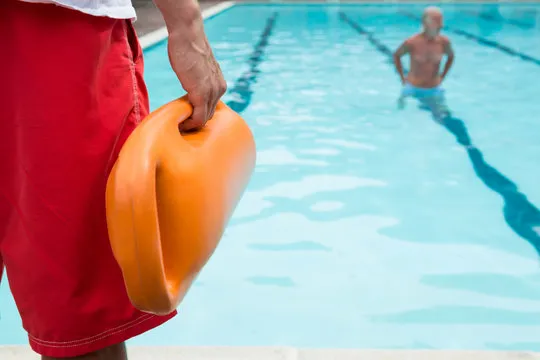
Professional Lifeguard Course | Start Training Today
A professional Lifeguard Course is the first step toward developing the knowledge, confidence, and practical skills needed to become a successful aquatic safety professional. Whether you want to work at a swimming pool, beach, water park, hotel, fitness center, or community recreation facility, proper training helps you prepare for real-life emergency situations.
Many individuals search for Lifeguard Course near me when they want convenient training options that fit their location and schedule. However, selecting the right course is about more than finding a nearby class. A quality lifeguard program should provide complete instruction in water rescue techniques, CPR/AED, First Aid, emergency response, and swimmer safety.
Professional lifeguard courses help participants understand how to prevent accidents, recognize hazards, perform rescues, and respond quickly when someone needs assistance. Through structured education and practical skill development, students gain the confidence required to work in different aquatic environments.
American Lifeguard USA provides professional training designed to prepare participants for aquatic safety responsibilities. The program focuses on developing essential rescue skills, emergency response abilities, and professional knowledge required for lifeguarding careers.
What Is a Lifeguard Course?
A Lifeguard Course is a professional training program that prepares individuals to supervise aquatic environments and respond effectively during emergencies. The course combines classroom education with practical exercises to help students understand the responsibilities of a professional lifeguard.
A complete lifeguard course covers:
- Water rescue techniques
- Swimmer surveillance
- CPR and AED procedures
- First Aid skills
- Emergency Action Plans
- Accident prevention
- Communication techniques
- Professional lifeguard responsibilities
The purpose of a lifeguard course is not only to teach rescue methods but also to develop strong observation skills, quick decision-making abilities, and the confidence needed to handle emergency situations.
Why Choose a Lifeguard Course Near You?
Searching for a Lifeguard Course near me can help you find training options that are easier to access and fit your schedule. Local training opportunities allow participants to attend practical sessions, complete skill evaluations, and begin their lifeguarding journey.
When selecting a lifeguard course, consider:
- Course structure
- Instructor experience
- Practical training opportunities
- Certification options
- Flexible learning methods
- Renewal support
A professional program should provide both theoretical knowledge and hands-on practice because lifeguards must be prepared to act quickly in real emergency situations.
Skills You Learn During a Lifeguard Course
Water Rescue Techniques
Water rescue training is one of the most important parts of a professional lifeguard course. Participants learn how to respond to swimmers in distress and perform safe rescue procedures.
Training may include:
- Active victim rescues
- Passive victim rescues
- Submerged victim recovery
- Spinal injury response
- Emergency swimming techniques
These skills prepare future lifeguards to assist swimmers while maintaining safety throughout the rescue process.
CPR and AED Training
CPR and AED training are essential parts of professional lifeguarding. Students learn how to provide immediate assistance during life-threatening emergencies.
Participants learn:
- CPR procedures
- AED operation
- Emergency response steps
- Communication during medical situations
These skills allow lifeguards to provide critical support until advanced medical help arrives.
First Aid Training
A professional lifeguard must be prepared to handle different injuries and health emergencies. First Aid training helps students respond effectively to common situations.
Topics include:
- Cuts and bleeding
- Burns
- Fractures
- Heat-related illnesses
- Breathing emergencies
- Sudden medical conditions
Strong First Aid knowledge helps lifeguards create safer aquatic environments.
Who Should Take a Lifeguard Course?
A professional Lifeguard Course is suitable for anyone interested in aquatic safety and emergency response.
The course is ideal for:
- Students looking for seasonal employment
- Individuals starting a lifeguard career
- Swim instructors
- Recreation employees
- Water park workers
- Hotel and resort staff
- Community pool employees
- Fitness center aquatic staff
Before enrolling, candidates should review Lifeguard Requirements and make sure they meet the necessary swimming and physical ability standards.
Benefits of Completing a Lifeguard Course
Completing professional training provides many career and personal benefits.
Key advantages include:
- Professional lifeguard preparation
- Improved rescue skills
- CPR/AED knowledge
- First Aid experience
- Increased job opportunities
- Better emergency response abilities
- Leadership development
- Greater confidence
A completed course also prepares participants for Lifeguard Certification, Lifeguard Training, and future Lifeguard Recertification programs.
Career Opportunities After Completing a Lifeguard Course
Completing a professional Lifeguard Course can help you start a rewarding career in aquatic safety. Trained lifeguards are needed in many environments where protecting swimmers and responding to emergencies are important responsibilities. A quality course provides the skills and confidence needed to work effectively in different aquatic facilities.
After completing your training, you may find employment opportunities at:
- Public swimming pools
- Private clubs
- Beaches
- Water parks
- Hotels and resorts
- Schools and universities
- Fitness centers
- Community recreation facilities
- Summer camps
- Aquatic centers
Professional lifeguards are responsible for monitoring swimmers, identifying possible dangers, preventing accidents, enforcing safety rules, performing rescues, and providing emergency assistance when required.
With experience and additional education, lifeguards can advance into leadership positions such as:
- Head Lifeguard
- Aquatics Supervisor
- Pool Manager
- Water Safety Instructor
- Lifeguard Instructor
- Aquatic Director
Continuing education through Lifeguard Certification, Lifeguard Classes, and Lifeguard Recertification helps professionals improve their skills and create more career opportunities.
Why Choose American Lifeguard USA for Your Lifeguard Course?
Choosing the right training provider is an important decision when starting a career in aquatic safety. American Lifeguard USA provides professional training programs designed to help participants develop the knowledge, confidence, and practical abilities needed for real-world lifeguarding responsibilities.
The training focuses on important areas, including:
- Water rescue procedures
- CPR/AED skills
- First Aid response
- Swimmer surveillance
- Emergency Action Plans
- Accident prevention
- Communication techniques
- Teamwork and leadership
The flexible learning approach allows participants to complete training while managing their personal schedules. Students receive preparation that helps them perform practical skill evaluations and handle emergency situations with confidence.
By completing a professional course, participants gain the foundation needed to begin their lifeguarding career and continue developing their skills in aquatic safety.
Start Your Aquatic Safety Career with Professional Training
Choosing the right Lifeguard Course near me option can be the beginning of a meaningful career focused on safety and helping others. Professional lifeguards play an important role in communities by preventing accidents, responding to emergencies, and creating safer environments for swimmers.
A quality training program provides more than rescue knowledge. It develops responsibility, leadership, communication, and decision-making skills that benefit lifeguards throughout their careers.
Whether your goal is to work at a local pool, beach, water park, resort, or recreation facility, completing professional training gives you the preparation needed to succeed. By maintaining your skills and continuing your education, you can become a trusted aquatic safety professional.
Frequently Asked Questions
What is a Lifeguard Course?
A Lifeguard Course is a professional training program that teaches water rescue techniques, CPR/AED, First Aid, emergency response, and swimmer safety skills.
How can I find a Lifeguard Course near me?
You can search for professional training programs based on location, course availability, certification options, and practical training requirements.
Who can enroll in a Lifeguard Course?
Individuals who meet the required age, swimming ability, and physical skill requirements can enroll in professional lifeguard courses.
What skills are taught during a Lifeguard Course?
Participants learn water rescue techniques, CPR/AED procedures, First Aid response, emergency planning, communication skills, and professional lifeguarding responsibilities.
Can a Lifeguard Course help me get a job?
Yes. Completing professional training prepares individuals for employment at pools, beaches, water parks, hotels, schools, resorts, and recreation facilities.
NAP Information
Company Name: American Lifeguard USA
Website: Lifeguard Course (Add your internal link here)
Country: United States
Services: Lifeguard Training, Lifeguard Certification, Lifeguard Classes, Lifeguard Courses, Lifeguard Recertification, CPR/AED Training, First Aid Training


About Premium Author
This post has been authored and published by one of our premium contributors, who are experts in their fields. They bring high-quality, well-researched content that adds significant value to our platform.
.png)