Surgical Lighting Support Across Hospital Locations
For a hospital group, buying the same lighting equipment for several locations does not automatically create a consistent support experience. Sites may have different opening hours, engineering resources and access arrangements. A central purchase agreement needs a local operating plan if it is to remain useful after installation.
The support discussion should begin while selecting an OT light manufacturer in India. Instead of asking only whether service is available nationwide, ask how a fault at each named hospital will be reported, assessed and resolved. A location-specific answer is easier to test than a broad coverage claim.
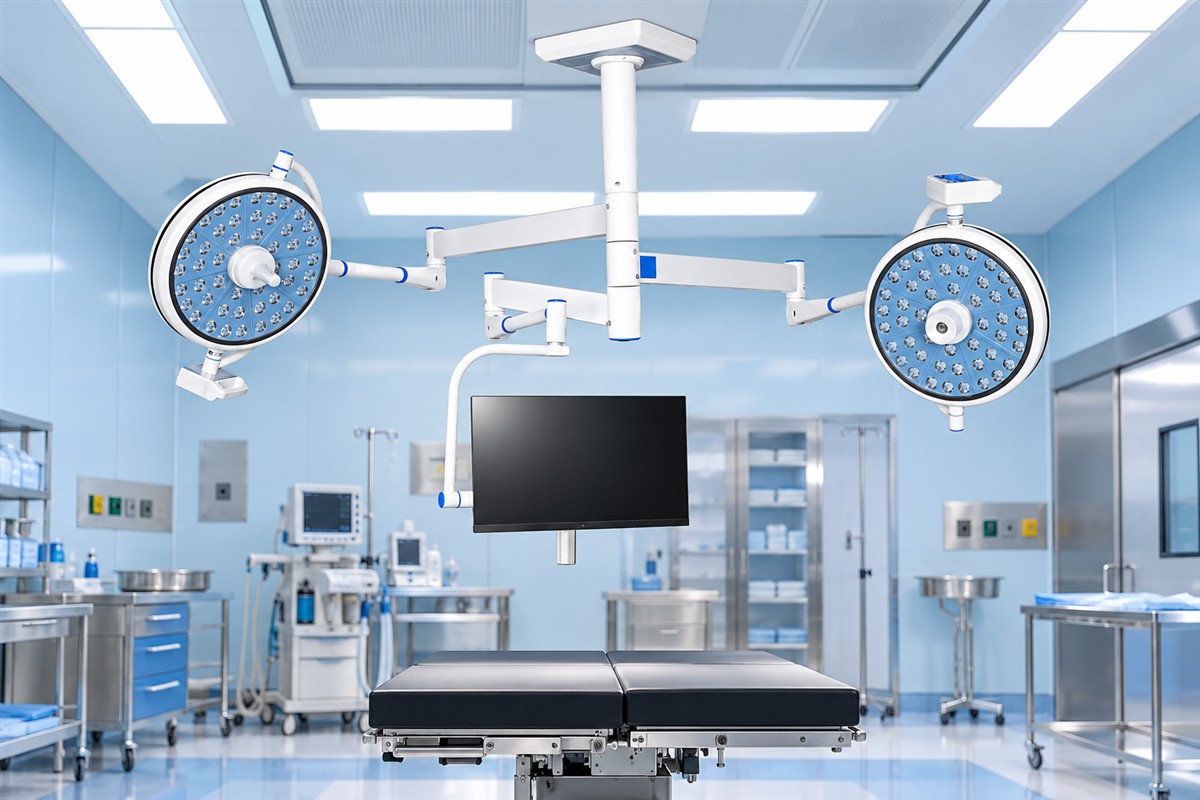
Product images from Ventek India
Map the people and responsibilities at each hospital
Create a site list with the equipment contact, biomedical or engineering lead and the route for urgent escalation. Record the times when supplier access can be arranged and any local entry requirements. Keep clinical scheduling decisions with the hospital; the supplier should not be expected to decide how a room is used during an interruption.
At group level, nominate a person who maintains the contract and reviews recurring problems. At site level, identify who keeps the equipment record and receives service reports. Clear ownership helps prevent the same issue being reported through several channels without anyone holding a complete history.
Separate acknowledgement from restoration
Service proposals often use the word response without defining it. Establish whether this means acknowledging a report, making remote contact, dispatching an engineer or attending the hospital. Ask the supplier to describe what happens after that first response and how the next update will be communicated.
The restoration plan may depend on diagnosis, parts and site access. These dependencies should be visible in the agreement. When comparing operation theatre light manufacturers, use the same service questions for every bidder and avoid assuming that a nearby sales office is also an engineering base.
Keep an equipment record that supports diagnosis
For each installation, retain the model, serial number, installation date, warranty details and supplied configuration. Link this record to the operating and cleaning instructions, maintenance history and relevant service reports. The aim is to identify the equipment accurately when support is needed.
Agree what information a site should provide with a fault report. This can include the observed behaviour and the affected component, described without dismantling the equipment or attempting unapproved repairs. Photographs should show only the equipment and should be shared through the hospital's authorised process. Patient information has no place in an ordinary equipment support request.
Make planned maintenance workable at every site
Ask for the maintenance requirements of the actual models being purchased. Distinguish user checks from work that requires trained service personnel. The hospital can then assign responsibilities through its established engineering process rather than relying on a generic annual visit.
Coordinate proposed visits with each site's scheduling and access arrangements. Record completed work and any further action, including who must approve and close it. A national agreement should still produce a local service report that the hospital can find when reviewing the equipment history.
Understand the parts process before a component is needed
Ask how parts are identified, ordered and supplied, and whether the service team has access to the relevant product information. Clarify responsibility for transport and any warranty-return process. Request an explanation of how the supplier handles discontinued items or proposed replacements.
Standardising a configuration may simplify some administrative work, but it should not override room suitability. The Ventek surgical lighting range includes different formats that a group can discuss against its site needs. Record any approved differences so that an engineer is not sent with parts intended for another model.
Review the agreement using actual service records
After installations begin, review the time taken to acknowledge reports, attend sites and close agreed actions. Separate delays caused by access, diagnosis, parts and approvals. This gives both organisations a useful basis for improving the process without hiding distinct problems inside one average figure.
The most useful relationship with an LED OT light manufacturer in India is supported by named contacts, model-specific records and a clear route from a reported issue to a documented resolution. Building that system into the purchase helps each hospital manage its equipment while allowing the group to see what is happening across the whole installation base.


About Premium Author
This post has been authored and published by one of our premium contributors, who are experts in their fields. They bring high-quality, well-researched content that adds significant value to our platform.
.png)